

This guide covers 21 educational things to do in Gatlinburg, TN, across five categories that actually hold up as a field trip or a homeschool day: the Great Smoky Mountains National Park itself, hands-on wildlife encounters, museums worth the detour, local craft and factory stops, and nearby day trips worth the extra drive.
Some of these are genuinely inside Gatlinburg; several of the best ones sit just outside it, in Pigeon Forge, Sevierville, or Townsend, and this guide says so plainly for each stop rather than blurring the map. It also covers something no other Gatlinburg guide does: exactly how to turn any one of these stops into a homeschool field trip or a school-excused day, a real technique explained in full near the end of this guide.

Quick Reference: Where Each Stop Actually Is
Not every stop below is actually in Gatlinburg, several of the best ones sit in a neighboring town instead. Here is the honest map of educational things to do before the details: one row per stop, where it really is, and what it is best for.
| Activity | Actual Town | Free or Paid | Best For |
|---|---|---|---|
| Earn a Junior Ranger Badge at Sugarlands Visitor Center | Inside GSMNP, near Gatlinburg | Free (booklet fee, parking tag required) | Junior Ranger badge, park orientation |
| Explore the Ghost Town of Elkmont | Inside GSMNP, near Gatlinburg | Free entry (parking tag required) | History (former logging town) |
| Hike to the Highest Point in Tennessee at Kuwohi | Inside GSMNP | Free entry (parking tag required) | Geography, highest point in Tennessee |
| Spot Wildlife on the Cades Cove Loop | Inside GSMNP, near Townsend | Free entry (parking tag required) | A fun, hands-on way to experience nature |
| Ride to the Million Dollar View | Gatlinburg | Paid | Outdoor adventure, a different angle on the Smokies |
| Feed and Pet Animals at the Smoky Mountain Deer Farm | Sevierville | Paid | Hands-on animal encounters |
| Learn Marine Biology at Ripley’s Aquarium of the Smokies | Gatlinburg | Paid | Marine biology |
| Hand-Feed Tropical Birds at Parrot Mountain and Gardens | Pigeon Forge | Paid | Hands-on bird encounters |
| Explore Real Crime History at Alcatraz East Crime Museum | Pigeon Forge | Paid | Forensic science, criminal justice |
| See Historic Aircraft at the Tennessee Museum of Aviation | Sevierville | Paid | Aviation history |
| Discover Pioneer and Cherokee Heritage at the GSM Heritage Center | Townsend | Paid | Pioneer and Cherokee heritage |
| Tour the Titanic Museum’s Historic Exhibits | Pigeon Forge | Paid | Maritime history |
| Try 100-Plus Hands-On Exhibits at WonderWorks | Pigeon Forge | Paid | Hands-on STEM |
| Dip Your Own Candle at Lorelei Candles | Gatlinburg | Free to browse (fee to dip a candle) | Hands-on craft making |
| Watch Pottery Being Made at Pigeon River Pottery | Pigeon Forge | Free | Watching a working craft |
| Watch the Distillation Process at Sugarlands Distilling Company | Gatlinburg | Free tour (tastings 21+, paid) | Local industry history |
| Learn the Story Behind Bush’s Beans | Chestnut Hill | Free | Company history, food science |
| Hike the Trails at Ijams Nature Center | Knoxville | Free | Environmental education, trails |
| Learn Cherokee History at the Museum of the Cherokee People | Cherokee, NC | Paid | Cherokee history and culture |
| Step Into a Living Cherokee Village at Oconaluftee | Cherokee, NC | Paid, seasonal | Living-history village |
| See Rare Vintage Motorcycles at Wheels Through Time | Maggie Valley, NC | Paid | Mechanical and motorcycle history |
Great Smoky Mountains National Park: Gatlinburg’s Real Classroom
Every guide to Gatlinburg mentions the national park. Fewer tell you exactly where to stop, what the Junior Ranger booklet actually asks your kids to do, or how a group tour fits into the same day.
1. Earn a Junior Ranger Badge at Sugarlands Visitor Center
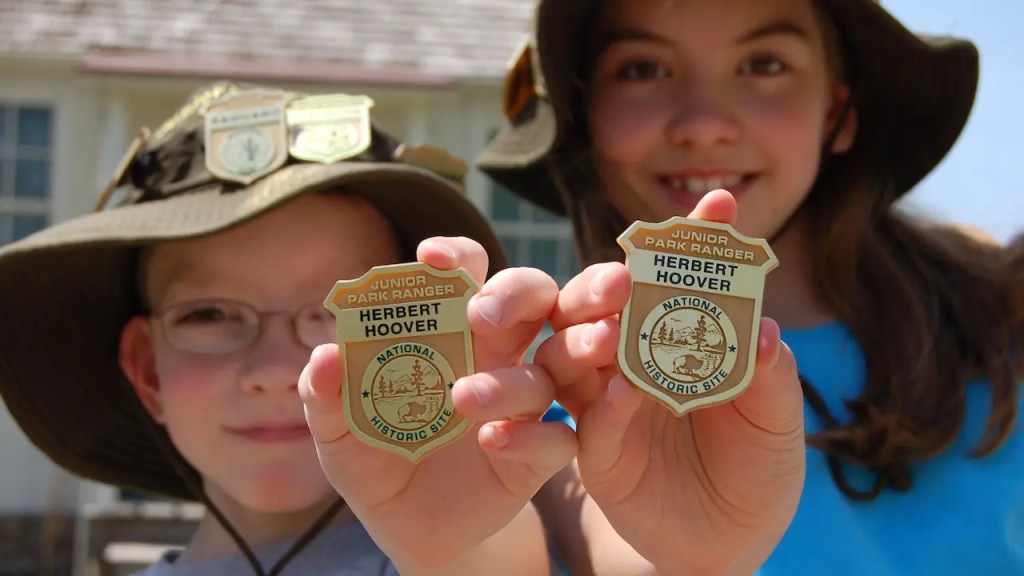
Sugarlands Visitor Center sits at the park’s main entrance near Gatlinburg, close to where Newfound Gap Road (US-441) meets Fighting Creek Gap Road. Pick up a real Junior Ranger booklet inside, and kids complete at least five activities plus five experiences from it before a ranger swears them in and hands over the badge. The swearing-in itself has no separate fee, but the activity booklet is sold, not free, for around $4.50 at any visitor center or online through Smokies Life, confirm the current price before you go. It is real National Park Service programming, and it leaves every kid with a completed booklet to show for the day, not just a photo. A parking tag is also required for any vehicle parked longer than 15 minutes anywhere in the park ($5 a day, $40 annual).
Cost: Free to complete; the activity booklet is about $4.50, plus a park parking tag ($5 a day, $40 a year)
Best for ages: 5 to 12 for the standard program; the park also offers a Not-So-Junior-Ranger option for ages 13 and up
Time needed: No official time estimate; plan to spread the booklet’s activities across your park visit
2. Explore the Ghost Town of Elkmont

Elkmont sits inside the park off TN-73, southwest of Gatlinburg, and it was a real logging town before it was anything else: the Little River Lumber Company built it in 1908, and the Appalachian Club later turned it into a resort community. The Appalachian Clubhouse and Spence Cabin, both rehabilitated in 2010, can be reserved for day use. People call it a “ghost town” out of habit, not an official National Park Service term, since the buildings still standing are a preserved historic district, not ruins. Walking one town through three different identities, a logging camp, then a private resort, then a preserved historic site, is a plain, walkable lesson in how a place’s whole economy and purpose can change within one century.
Cost: Free (park entry plus a parking tag)
Best for ages: All ages, it’s a level walk past the historic buildings
Time needed: No official estimate published; a walk-through of the roadside structures is a short stop
3. Hike to the Highest Point in Tennessee at Kuwohi
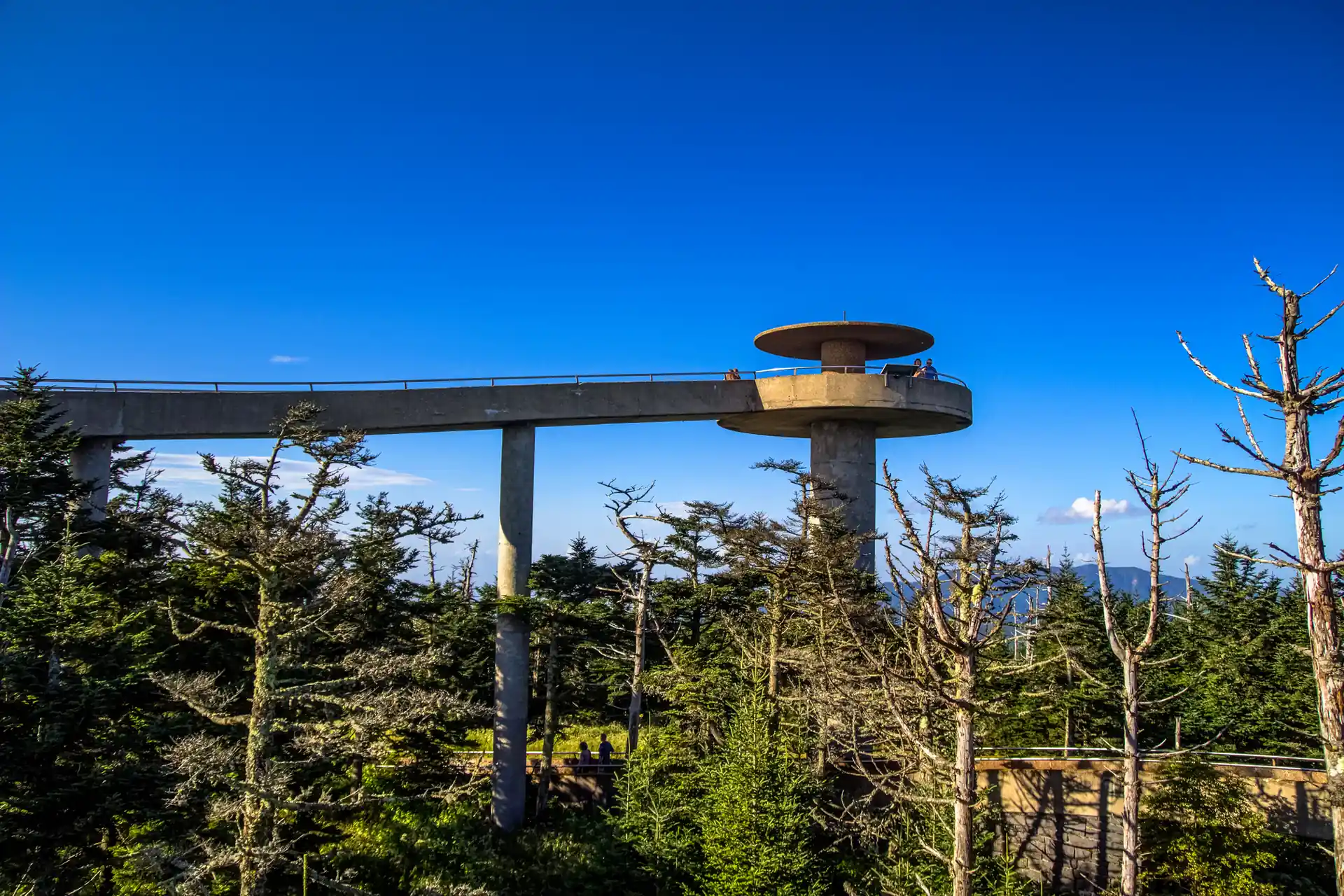
Kuwohi, the Cherokee name the U.S. Board on Geographic Names restored to this peak on September 18, 2024 (it was called Clingmans Dome before that), is the highest point in Tennessee, and the walk from the parking area to the observation tower is short but genuinely steep. It is the single clearest “we stood at the top of the state” moment available anywhere near Gatlinburg, and it makes a geography lesson concrete instead of abstract.
Cost: Free entry, parking tag required
Best for ages: Most ages, though the NPS itself calls the paved path “very steep”
Time needed: 1 mile round trip per the NPS; allow extra time for the grade
4. Spot Wildlife on the Cades Cove Loop
Cades Cove is an 11-mile loop road inside the park, closer to the Townsend gateway than to Gatlinburg itself, and it passes more than 90 preserved 18th- and 19th-century structures, churches, a gristmill, and log houses among them, the widest variety of historic buildings anywhere in the park. It reflects Appalachian settlement life spanning more than a century, from the early 1820s until the National Park Service acquired the land in the 1930s and 40s, and it doubles as one of the most reliable wildlife-spotting drives in the Smokies. One loop road makes two lessons back to back without changing stops: history from the preserved structures, then wildlife biology from the actual deer, turkeys, and black bears the drive is known for spotting. The loop gets genuinely congested in summer, fall, and any weekend, so the park’s own advice on its Cades Cove page is to pull into a designated pullout for photos or wildlife instead of stopping in the lane.
Cost: Free entry, parking tag required
Best for ages: All ages, it’s a driving loop
Time needed: 2 to 4 hours per the NPS’s own guidance, longer with a trail hike
5. Ride to the Million Dollar View
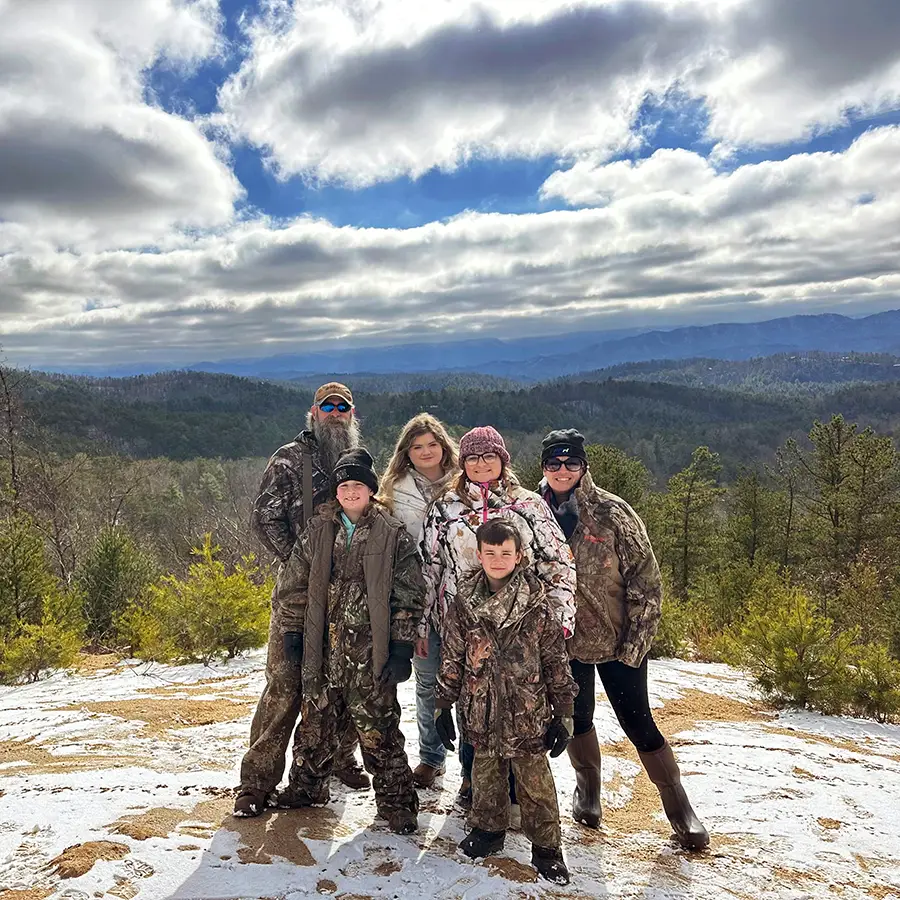
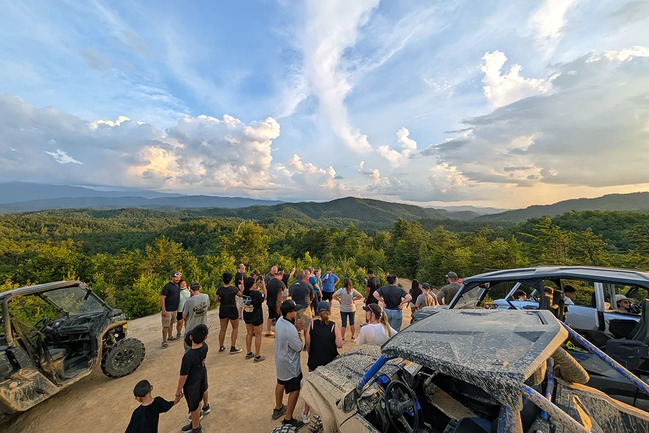
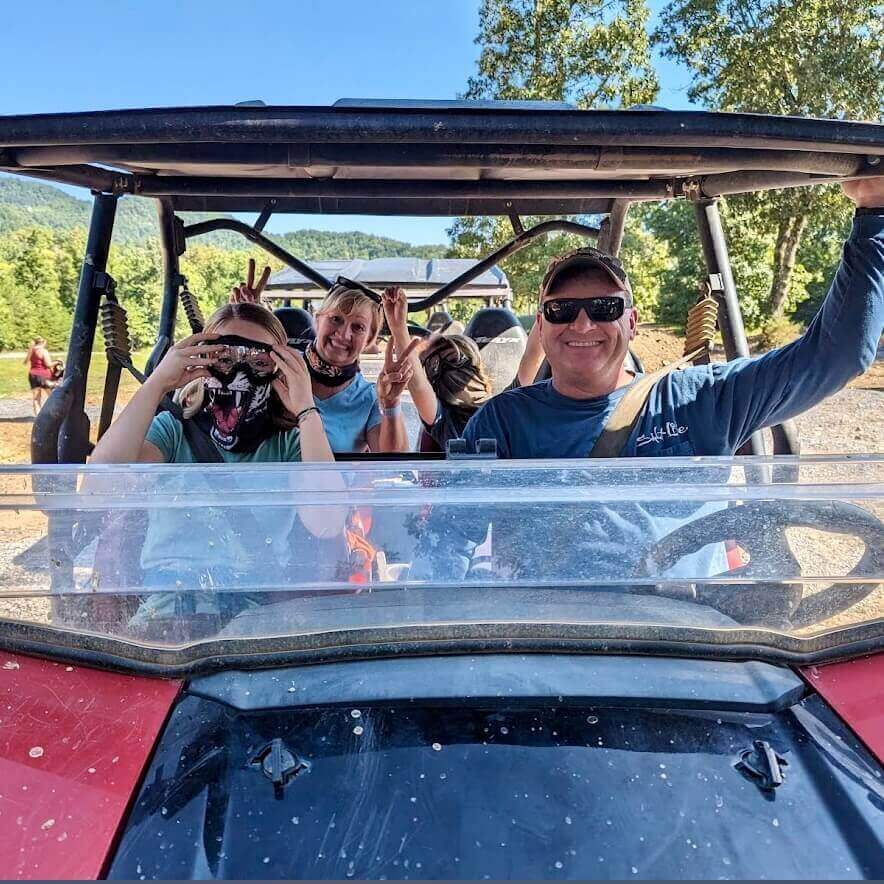
Off-Road Gatlinburg runs a guided UTV tour across 300 acres of private trails deep in the Smokies: about 1.5 hours of creek crossings and mountain overlooks, every rider taking a turn behind the wheel, ending at the company’s own Million Dollar View. It’s built for reunions, church groups, scout troops, school classes, and families riding together, and it offers a different angle than everything else on this list: a fun, hands-on way to experience nature, not a lesson to sit through, with a guide handling the safety briefing and the route so the group can just enjoy the ride.
For groups of 20 or more, request a custom group quote. Smaller parties can book the regular guided UTV tour online, with pricing per vehicle rather than a custom group arrangement. Riders of all ages can join, but drivers must be 18 or older. Review UTV safety rules for kids and our FAQ page before booking.
Cost: From $299 per UTV for a smaller group; request a quote for 20 or more
Best for ages: Any age can ride; drivers must be 18 or older
Time needed: About 1.5 hours
Hands-On Wildlife Encounters Near Gatlinburg
Three stops here are genuinely hands-on, and only one of them is actually inside Gatlinburg.
6. Feed and Pet Animals at the Smoky Mountain Deer Farm
The Smoky Mountain Deer Farm and Exotic Petting Zoo is in Sevierville, not Pigeon Forge and not Gatlinburg, at 478 Happy Hollow Lane. It has offered hands-on animal encounters with deer, camels, zebras, elk, and reindeer since 1989. The farm frames this as not a formal curriculum or conservation program, and that is the honest way to describe it to a group leader deciding whether it counts as “educational.” Camels and zebras sharing a field with native elk and reindeer is itself worth asking a group to untangle: which of these animals are actually native to East Tennessee, and which had to be brought in from somewhere else entirely.
Cost: $15.99 adult (13+), $9.99 child (3-12)
Best for ages: All ages, especially young kids
Time needed: No official estimate published
7. Learn Marine Biology at Ripley’s Aquarium of the Smokies

Ripley’s Aquarium of the Smokies is genuinely in Gatlinburg, at 88 River Road, and it holds more than 10,000 animals across 350 species. Touch exhibits let kids handle horseshoe crabs and stingrays, and a penguin encounter adds a second hands-on moment to the visit. The aquarium runs its own conservation programming, which makes this one of the few stops on this list with an official education angle behind it, not only an operator’s marketing description.
Cost: Paid, confirm current pricing at ripleys.com before you go
Best for ages: All ages, child pricing starts at age 2
Time needed: No official estimate published
8. Hand-Feed Tropical Birds at Parrot Mountain and Gardens
Parrot Mountain and Gardens is in Pigeon Forge, not Gatlinburg, at 1471 McCarter Hollow Road. Across four landscaped acres, hundreds of macaws, toucans, hornbills, and lories live in outdoor aviaries and cottages, and visitors can hand-feed birds in the bird garden, feed lories nectar from a cup, and pet baby birds at the nursery. The attraction’s own site lists school groups and education programs in its navigation, which makes this one of the few stops on this list with a stated education angle behind it, not only a hands-on one.
Cost: $29.95 adult (11+), $19.95 child (2-10), free under 2
Best for ages: All ages
Time needed: No official estimate published
Museums That Turn History Into a Field Trip
None of these five museums are technically in Gatlinburg. All five are close enough to fold into the same day, and each one is worth being specific about.
9. Explore Real Crime History at Alcatraz East Crime Museum
This is not the federal prison on Alcatraz Island in California. It is Alcatraz East Crime Museum, in Pigeon Forge at 2757 Parkway, covering forensic science, the criminal justice system, and law-enforcement history across five galleries and more than 100 interactive exhibits. It opened in Washington, D.C. in 2008 as the National Museum of Crime and Punishment, then moved to Pigeon Forge in 2016. That mix-up is worth clearing up out loud: the real Alcatraz was a federal prison, this is a museum built around forensic science and the criminal justice system, two different things a visitor can now tell apart.
Cost: Children 7 and under free; confirm current adult pricing directly with the museum
Best for ages: Anyone, though the museum’s own policy requires kids under 14 to be accompanied, and under 18 to be with an adult 21 or older
Time needed: 2 to 3 hours per the museum’s own FAQ
10. See Historic Aircraft at the Tennessee Museum of Aviation
This one is often called the “airplane museum in Pigeon Forge,” but the Tennessee Museum of Aviation actually sits in Sevierville, at the Gatlinburg-Pigeon Forge Airport, inside Sevierville city limits despite the name. It holds airworthy World War II- and Vietnam-era warbirds, including two of fewer than a dozen surviving airworthy P-47 Thunderbolts worldwide, plus a 52-foot “Wave Wall” aviation timeline and occasional live flight demonstrations. Seeing a Thunderbolt still in flying condition, not sealed behind glass, is a concrete way into World War II and Vietnam-era aviation history and the engineering that keeps a decades-old aircraft airworthy, not just a name and a date on a placard.
Cost: $18 adult, $12 child (6-12), free under 6
Best for ages: All ages
Time needed: About an hour to an hour and a half
11. Discover Pioneer and Cherokee Heritage at the GSM Heritage Center
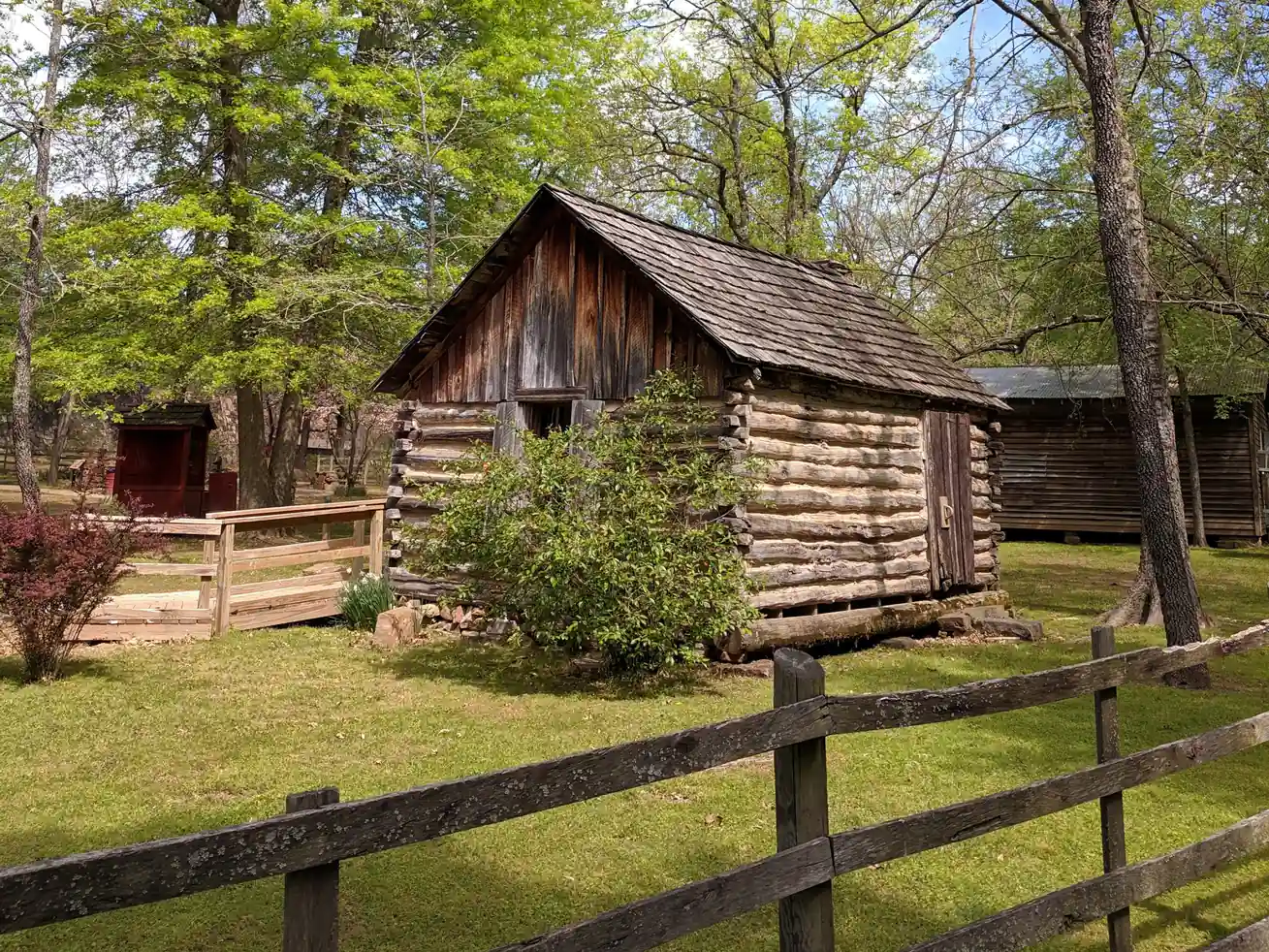
The Great Smoky Mountains Heritage Center is in Townsend, at 123 Cromwell Drive, not Gatlinburg and not Pigeon Forge. It pairs museum galleries with a reconstructed Appalachian pioneer village built from structures spanning 1802 to 1960, and it covers both Native American and Appalachian settler heritage of the region side by side. Setting the settlers’ structures, which range from 1802 to 1960, alongside the Native American galleries is a deliberate choice: the site presents both heritages side by side, not as separate stories.
Cost: $15 adult (13-59), $10 child (5-12), free under 4
Best for ages: All ages
Time needed: No official estimate published
12. Tour the Titanic Museum’s Historic Exhibits

The Titanic Museum is in Pigeon Forge, at 2134 Parkway, and it holds more than 400 authentic Titanic artifacts alongside the full history of the ship, from construction to sinking. Every visitor gets a boarding pass tied to a real passenger, a small but effective device for making the history personal, and a Grand Staircase replica anchors the exhibit. That boarding pass ties every visitor to one real passenger’s actual fate, turning a list of dates about the ship’s construction and sinking into a single, specific human story, the same shift historians make between a timeline and a biography.
Cost: Children 4 and under free; confirm current adult and child pricing directly with the attraction
Best for ages: All ages
Time needed: An hour and a half to two hours, per the attraction’s own FAQ
13. Try 100-Plus Hands-On Exhibits at WonderWorks
WonderWorks is in Pigeon Forge, at 100 Music Road, and the attraction has its own name for this exact niche, “edu-tainment”: more than 100 hands-on STEM exhibits spread across 42,000 square feet of themed Wonder Zones. It is the most explicitly “education plus entertainment” stop on this entire list, by the attraction’s own description of itself.
Cost: $35.99 adult (13-59), $26.99 child (4-12), free under 4
Best for ages: All ages
Time needed: 3 to 4 hours, per the attraction’s own FAQ
Local Craft and Factory Stops With a Real Story Behind Them
None of these four show up on a typical Gatlinburg attractions list, and all four have a real, checkable story behind them.
14. Dip Your Own Candle at Lorelei Candles
Lorelei Candles has been handmaking candles for more than 40 years, genuinely inside Gatlinburg, in the Arts and Crafts Community at 331 Glades Road, and it offers a real, hands-on “dip your own candle” experience using traditional candle-making methods. Browsing the shop is free; dipping a candle to take home carries a small per-candle fee.
Watching that traditional dip method build up layer after layer of hardening wax is liquid-to-solid phase change happening in real time, the same transformation homeschool families already study under states of matter.
For a longer, scheduled option, Lorelei also runs candle-making workshops, $28 to $50 per person, about 1.5 to 2 hours each, walking through that same wax science in more depth: measuring and melting wax, mixing in color and scent, then pouring and cooling a finished piece.
Cost: Dip fee not published, ask in-store (browsing is free); workshops run $28 to $50 per person
Best for ages: All ages for the dip; workshops split by age (Parent and Me for under 10, Kids Novelty for 10 and up)
Time needed: The dip is a quick, walk-in stop; workshops run 1.5 to 2 hours, booked in advance
15. Watch Pottery Being Made at Pigeon River Pottery
Pigeon River Pottery is at The Old Mill in Pigeon Forge, at 175 Old Mill Avenue, not Gatlinburg. Working artisans hand-throw Appalachian-style pottery in the back of the shop throughout the day, and visitors can watch for free. No formal pottery classes are confirmed here, so treat this as an observational stop, not a hands-on one. That observational-only distinction is what makes the stop worthwhile: watching artisans hand-throw Appalachian-style pottery throughout the day teaches the technique just by watching, no class required to make it count.
Cost: Free to watch
Best for ages: All ages
Time needed: No official estimate published
16. Watch the Distillation Process at Sugarlands Distilling Company
Sugarlands Distilling Company sits in downtown Gatlinburg, and its free “Still House Tour” walks visitors through the moonshine and whiskey production process. The tour itself is free and open to all ages; the tastings that follow it are limited to guests 21 and older. That distinction matters for a group that includes minors, so plan the visit around the tour, not the tastings. Since the process on display is the point, not the tastings, everyone in a mixed-age group, minors included, can watch fermentation and distillation actually happen right there in downtown Gatlinburg.
Cost: Free tour; tastings (21+) are paid
Best for ages: All ages for the tour itself
Time needed: No official estimate published
17. Learn the Story Behind Bush’s Beans
The Bush’s Beans Visitor Center is in Chestnut Hill, not Gatlinburg, Pigeon Forge, or Sevierville, roughly 45 minutes from the park by one secondary estimate, not an independently timed figure. Admission is free, and the visit covers more than 110 years of company history, a factory-window view of actual bean processing, and a short “Bush’s Theater” film explaining the process. Watching real beans move through a real factory line, then hearing the company’s own history in the same visit, turns a grocery-store label kids already recognize into an actual food-science and business-history lesson, not just a name from the pantry.
Cost: Free
Best for ages: All ages
Time needed: No official estimate published
How to Document Any Stop as a Homeschool Field Trip
Requirements vary by school, district, and state, so check your own school’s or co-op’s policy first. But many do not need proof of curriculum rigor to accept a trip as “educational,” just documentation: something a parent or a group leader can write down that shows the day had a purpose. The bar is often lower than most first-time organizers expect, and this is the one part of planning that no attraction’s own website will tell you.
The simplest version is a short letter or log entry, written by the student or the parent, that names the place, what happened there, and what it taught. A single paragraph is usually enough. If your school or co-op already has a specific excuse-letter format, use it; if not, a few plain sentences naming the stop and the lesson will typically do the job.
One approach real Gatlinburg group organizers already use is to reframe each part of an ordinary day as a distinct subject. A set daily spending allowance becomes a math lesson in budgeting, adding, and subtracting. A stop at the Titanic Museum becomes History and Reading. An afternoon at WonderWorks becomes a Science class. An active stop, a hike, or an indoor activity like tubing becomes PE. None of this requires inventing anything: it only requires writing down, honestly, what the day already contained.
Worth the Drive: Nearby Educational Day Trips
These four are genuinely day trips, not Gatlinburg itself, and each is worth the extra drive time for the right group.
18. Hike the Trails at Ijams Nature Center
Ijams Nature Center is in Knoxville, at 2915 Island Home Avenue, a 318-acre urban wilderness preserve with an environmental-education mission. Live-animal-ambassador exhibits, hiking, paddling, and climbing programs are all part of the grounds, and general admission is free. The live-animal-ambassador exhibits specifically mean a real, non-releasable animal shown up close, an actual wildlife-biology lesson, not just a trail walk with a nature-sounding name.
Cost: Free admission; a $5 parking fee applies per vehicle
Best for ages: All ages
Time needed: No official estimate published; the grounds cover 318 acres and 14-plus miles of trails
19. Learn Cherokee History at the Museum of the Cherokee People
The Museum of the Cherokee People was renamed from the Museum of the Cherokee Indian on Indigenous Peoples’ Day, October 9, 2023; never refer to the old name as current. It sits in Cherokee, North Carolina, on the Qualla Boundary at 589 Tsali Boulevard, with exhibitions on Cherokee history, contemporary Cherokee pottery, and dedicated school and group tour programs. Those dedicated group tour programs mean the museum already has a version of this visit built for exactly this kind of group: real Cherokee history and living craft traditions, told by the Eastern Band itself, not a secondhand account of it.
Cost: $15 adult, $8 child (6-12), free 5 and under
Best for ages: All ages
Time needed: About an hour for the self-guided tour
20. Step Into a Living Cherokee Village at Oconaluftee
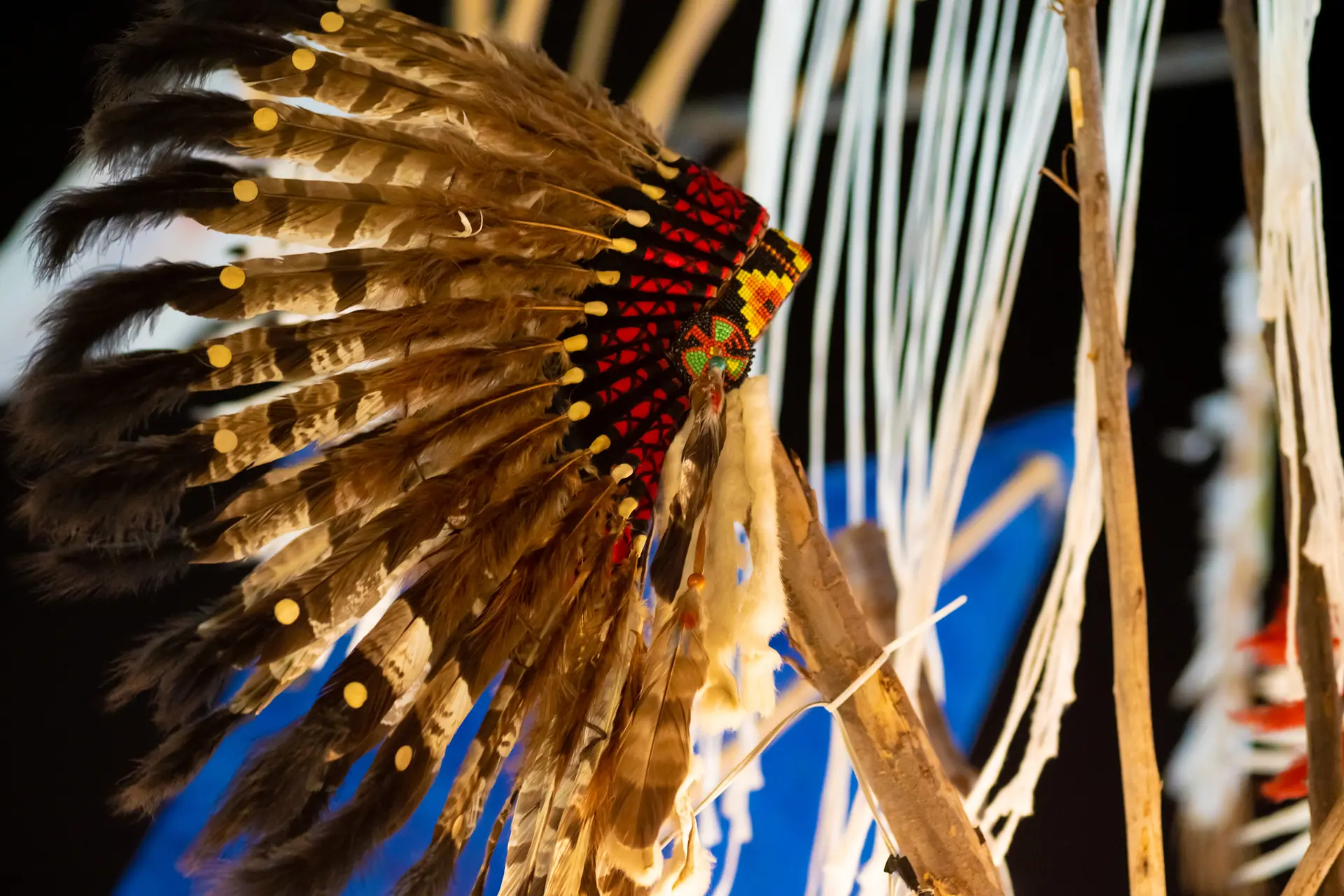
Oconaluftee Indian Village is a living-history replica of a 1700s Cherokee village on the Qualla Boundary near Cherokee, North Carolina, run by the Cherokee Historical Association, with craft demonstrations throughout the visit. It operates on a seasonal schedule, typically April through October, so confirm current dates before building a group visit around it. Those craft demonstrations, confined to the village’s April-through-October season, are what separates a walk through the reconstructed 1700s settlement from a static exhibit: Cherokee history and material culture, made and shown, not just described.
Cost: $25 adult, $15 child (6-11), free 5 and under; seasonal, April through October
Best for ages: All ages
Time needed: 1 to 3 hours for the full visit, the guided portion runs 45 to 60 minutes
21. See Rare Vintage Motorcycles at Wheels Through Time
Wheels Through Time calls itself “The Museum That Runs,” and it earns the name: more than 350 rare American motorcycles across 25 makes, in Maggie Valley, North Carolina, kept in genuinely running and operable condition rather than static display. It is the farthest stop on this list, an out-of-state day trip. Keeping all 350-plus machines road-ready rather than roped off means 25 different manufacturers’ design choices actually have to hold up under real use, not just look good behind glass.
Cost: $15 adult (15-65), $7 child (6-14).
Best for ages: All ages
Time needed: No official estimate published; the museum frames admission as a “one-day experience”
Planning more than one day in Gatlinburg? There are other group activities worth building a Gatlinburg itinerary around to round out the trip beyond this list. And if the drive itself is part of the appeal, both Cherokee stops sit at the end of the same Newfound Gap corridor, so driving the Gatlinburg to Cherokee route yourself turns the trip there into part of the day instead of just the way you got there.
Twenty-one stops across eight towns, and one real trick behind all of them: name the place, name what it taught, and almost any of this becomes a defensible field trip, not just a day off. Start with whichever stop sits closest to where you’re already staying, and write the excuse letter after the visit, not before it.
Frequently Asked Questions About Educational Trips to Gatlinburg
How is Gatlinburg educational?
Gatlinburg sits at the edge of Great Smoky Mountains National Park, home to a real Junior Ranger program, plus museums, wildlife encounters, and craft demonstrations spread across the surrounding towns. Treated deliberately, a Gatlinburg trip covers geography, history, biology, and hands-on skills in a single day, which is exactly what these educational things to do add up to.
What is the best thing to do with kids in Gatlinburg?
There is no single best answer, since it depends on the kids’ ages and interests. For a hands-on science fix, WonderWorks in nearby Pigeon Forge is hard to beat. For wildlife, Ripley’s Aquarium of the Smokies, actually in Gatlinburg, or the Smoky Mountain Deer Farm in Sevierville, both work well for a range of ages.
What are the best free activities in Gatlinburg?
Great Smoky Mountains National Park itself has no entrance fee, though a parking tag is required beyond 15 minutes. The Junior Ranger swearing-in has no separate fee, but the activity booklet needed to complete it is sold, not free, for around $4.50. Sugarlands Distilling Company’s Still House Tour is also free and open to all ages, though its tastings are limited to guests 21 and older.
What is the number one thing to do in Gatlinburg, Tennessee?
There is no single “number one” that fits every visitor, and any guide that claims otherwise is overstating it. For an educational trip specifically, Great Smoky Mountains National Park is the strongest anchor: it is free (just a parking tag beyond 15 minutes), it is genuinely at Gatlinburg’s edge, and its Junior Ranger program gives kids something concrete to complete.
What should I write in a school excuse letter for an educational trip to Gatlinburg?
Name the place, what your child did there, and what it taught, in a few plain sentences; many schools and co-ops accept documentation instead of proof of curriculum depth, though requirements vary by district and state. One workable approach: treat each stop as its own subject, a set spending allowance as a math lesson, a museum visit as History, and an active stop as PE.

One Response